
How to Handle Spring Pollen on Chicago Roofs and Siding
Spring typically arrives slowly in the Midwest, and when it does, it brings a heavy wave of pollen with it. For those of us allergic to pollen, the first sign of pollen in the air is a sneeze or itchy eyes. But pollen does more than trigger our allergies. You’ll also find spring pollen on Chicago roofs and siding.
Pollen typically looks like an innocent yellow dusting on your deck or car, but it can cause problems when it accumulates on Chicago roofs and siding. Over time, too much spring pollen on Chicago roofs and siding can lead to staining, clogged gutters, and even premature wear if not addressed. In other words, handling spring pollen should be part of every homeowner’s exterior maintenance routine.
What is Pollen?
Although pollen can be a challenge for our allergies and our home exterior, without pollen, there would be no trees or fertilized plants. Pollen grains are actually tiny reproductive particles released by plants during the spring growing season. Billions of these grains are released by trees, grasses, and weeds and set upon the wind to scatter at random. Then, pollen will meet its fate in one of many possibilities:
- Sticks to a plant so that fertilization can occur, or it can be collected by insects for crosspollination (the ideal journey for pollen!)
- Travels a short distance or miles and falls to the ground to be broken into microbes
- Falls into water or puddles and breaks down into microbes
- Gets washed away by the rain
- Is inhaled by humans and animals (ah-choo!)
- Or, sticks to exterior surfaces like our sidewalks, cars, roofing, and siding
Many plants release an enormous amount of pollen because the chance of a single grain reaching the right flower is so small. Plants are known to release billions of pollen grain in just one season.
In Chicago, tree pollen peaks in March and April, while grass pollen is more common in May to July. Weed pollen takes over from August to October. So homeowners can potentially see pollen on their Chicago roofs and siding from Spring to Fall.
Pollen in Midwestern Backyards
Do you live on a wooded lot with lots of trees? If so, you will probably see collections of pollen on your exterior in the Spring. Many of the most common trees in the Chicago area are regular producers and releasers of pollen. Here are the four most common ones:
Oak Trees
One of the biggest producers of pollen on Chicago roofs and siding is the ever-popular oak tree. Oaks produce long, tassel-like catkins of fine yellow particles that spread easily in the wind. Homeowners typically notice oak tree pollen as a yellow-green dust coating their roofs, siding, and outdoor furniture during peak spring weeks.
Maple Trees
Maple pollen is light and easily airborne. Its appearance varies, depending on the type of maple tree it is. Maple pollen can be many colors, from light yellow to grey brown, but any of them can accumulate on roof valleys, gutters, and siding where you don’t want it.
Birch Trees
The beautiful, black and white swirled bark of the Birch tree makes it a favorite across northern Illinois. However, the tree is also known for producing large amounts of allergenic pollen, up to five billion particles annually in April and May. The birch pollen appears thin, powdery, and green.
Grass Pollen
It’s hard to escape grass pollen when the vast majority of homeowners in the Midwest have some sort of lawn. Grass produces another spring pollen, in many varieties, depending on the type of grass. Grass pollen is actually microscopic but can still trigger allergies and accumulate on home exteriors. When it does, it looks like a yellow coating, often settling on lower surfaces such as decks and entryways rather than Chicago roofs and siding.
Why Does Pollen Build Up on Roofs and Siding in Chicago?
Wafting on the wind, it’s easy for pollen to stick to the first place it lands. And for a traveling pollen, the gritty shingles and textures on Chicago roofs and siding are attractive collection points.
Pollen itself is natural and harmless, but when it builds up and combines with moisture, debris, and organic material, it can create maintenance concerns. This explains why it’s important to be aware of pollen on Chicago roofs and siding.
How Pollen Affects Your Home Exterior
When pollen meets moisture, the trouble begins. Here are the main ways spring pollen on Chicago roofs and siding can quickly become a destructive nuisance.
1. Staining on Siding
When pollen coats your siding and then mixes with dirt and rainwater, it can create streaks or discoloration on vinyl, fiber-cement, or aluminum siding. If not attended to, the staining becomes a difficult-to-remove eyesore.
2. Roof Surface Buildup
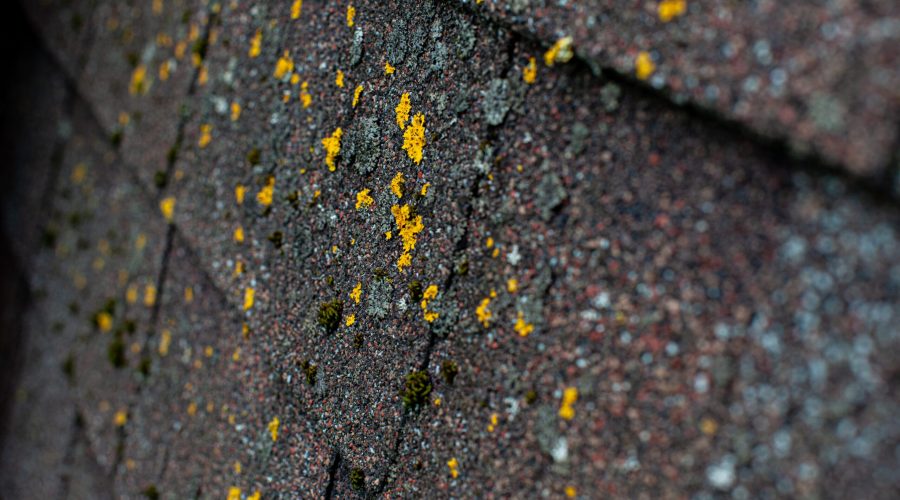
On the roof, pollen can easily accumulate in valleys or behind flashing. When organic debris such as leaves and twigs gather there too, the debris can hold moisture against the pollen and the shingles. This can accelerate algae growth and even lead to roof deterioration.
- 3. Clogged Gutters and Drainage
If your gutters do not have gutter guards, pollen can settle inside them, along with leaves, seed pods, and small twigs. The pollen can contribute to clogged gutters, slow drainage, or gutter overflow. Rainwater that is not properly drained can damage fascia, siding, and even your foundation. It’s important to keep your gutters clear, especially in pollen season.
How Can I Prevent Spring Pollen From Harming My Roof and Siding?
Simple, routine maintenance is the key to heading off the harmful accumulation of pollen on your roofs and gutters. There are many ways you can prevent pollen on Chicago roofs and siding from turning into a larger maintenance issue.
Inspect your roof and gutters in Spring.
If you see pollen accumulating, clear your gutters. Look for accumulation in roof valleys and if possible, safely sweep the pollen away.
Rinse siding periodically.
A gentle rinse of your siding with a hose can do wonders to keep pollen away. To remove pollen stains, use a mild detergent and a stiff brush.
Keep gutters clear.
After heavy storms, inspect your gutters for sticks and debris that may prevent drainage. Mixed with pollen, you will have a recipe for disaster if you do not clean your gutters.
Schedule seasonal inspections.
Professional exterior inspections, particularly of your roof and siding, can identify small issues before they become costly repairs. Prevention is key to keeping spring pollen in check.
Is Your Roof and Siding Ready for Spring?
Spring pollen is a normal part of life in the Midwest, but it also serves as a reminder that exterior surfaces need seasonal attention. This Spring, pay attention to pollen accumulation and keep it away from your roofing and siding before it causes problems for your exterior. Your roofing and siding will thank you.
And if we can help you with home exterior maintenance this Spring, such as inspections or an estimate on new siding or roofing, call us at 630-478-9114.