
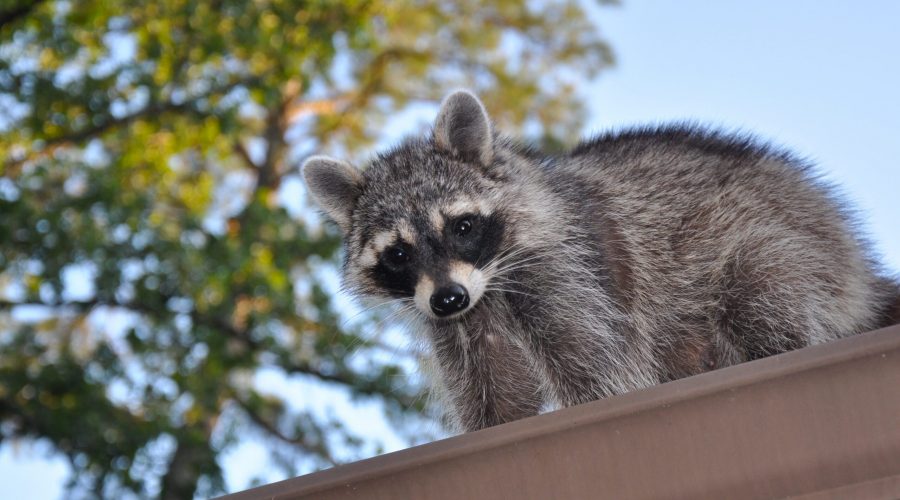
We all want our home to be inviting, but only to humans. Wildlife should remain outside, and roof inspection and maintenance is a key component of animal proofing your home!
Squirrels, mice, bats, raccoons, and woodpeckers are all watching your home for a place to hide, find food, breed, or take up residence. They’re looking for any gaps in your roof maintenance that can offer access.
Inside or out, animals can do great damage to your home. Outside they can peel or burrow into roofing materials, siding, insulation, and wiring. They can also let in the elements that can cause leaks and water damage inside your home.
The key is to identify vulnerable areas and make your roof inhospitable for animals.
How Will I Know I Need Roof Maintenance to Animal Proof my Roof?
First, listen for trouble. Typically, the first sign that animals are breaching your roof is a sound coming from the attic or walls.
Do you hear…
- Light scratching or scampering during the day (squirrels)?
- Heavier thumping or shuffling at night (raccoons)?
- Quiet squeaking or fluttering around dusk (bats)?
- Gnawing or scratching inside walls, especially during colder months?
- Repeated tapping or hammering on siding, gutters, or trim (woodpeckers?)
If so, you should explore roof maintenance to address the problem.
When Should I Animal Proof My Roof?
The best time for roof maintenance is before trouble starts! However, keep in mind that animals are most active during their breeding seasons when they search for a place to build a den.
How Do I Animal Proof My Roof?
There are many things you can do to aid your roof maintenance and discourage animals from viewing your roof as their new home. Here is a checklist of questions for you to answer to guide you.
1. Perform a Ground-Level Inspection
You can determine much of what is happening on your roof from ground level. Binoculars or a camera zoom lens can help. If you need closer inspection, call a professional roofing contractor like Pro-Home Services.
Circle your home and inspect your roof. Do you see…
- Missing, loose, curled, or lifted shingles?
- Gaps where two rooflines meet?
- Damaged or rotted fascia boards?
- Loose, cracked, or missing soffit panels?
- Holes in wood siding or exterior trim?
- Bent or missing vent covers?
Animals take advantage of places where the roof’s integrity is compromised. They are seeking loosened, damaged, or deteriorating areas that can create an opening. This is why a well-maintained roof rarely attracts animals. Check these areas.
2. Inspect Soffits and Fascia
The soffit covers the underside of the roof overhang, while the fascia runs along the roof edge. Over time, moisture, clogged gutters, and storm damage can weaken these components, inviting pests to push, pull, or chew through damaged sections to reach the attic.
Do you see..
- Separations between soffits, fascia, and the roofline?
- Sagging soffits?
- Visible rotting on soffits or fascia?
- Gnaw marks on either soffits or fascia?
- Disturbed or displaced panels?
3. Check Roof and Attic Vents
Ventilation is essential to the health of your roof, but an unsecured vent can invite animals into your home. Simple roof maintenance can prevent problems before they arise.
- Are all vent covers and screens firmly attached and free from holes?
- Are roof vents blocked with solid material?
- Are vents animal-resistant yet still working properly?
4. Get the Chimney Inspected.
A properly secured chimney cap is part of good roof maintenance. If the cap is not secure, raccoons, squirrels, birds, and other animals can enter. Contact a contractor who offers roof maintenance and have them check the following.
- Is the chimney cap in good condition?
- Is it firmly attached?
- Is the flashing around the chimney secured?
- Does the flashing or the chimney cap show signs of damage?
If you hear an animal inside the chimney, do not start a fire or attempt to smoke it out. Contact a wildlife professional for guidance.
5. Examine Roof Intersections
Areas where roof sections meet other components like walls, dormers, and siding can develop gaps that invite animals. These can best be inspected and repaired by a contractor offering roofing maintenance. Securing or replacing loose or damaged flashing can close the small openings that animals enlarge for their homes. They can also prevent leaks.
6. Check Siding and Exterior Trim
Woodpeckers may weaken siding by making holes to search for insects. The cavities they create invite squirrels and rodents to gnaw larger holes. Mice and ground rodents can chew wooden siding and trim. Even gutters and downspouts can use animal proofing to avoid damage from curious wildlife. Check for small holes, dents, or gutters that wildlife have peeled away from the home. If necessary, call for professional roof maintenance or gutter replacement.
- Do you see holes in the siding?
- Do you see punctures or gnaw marks?
- Have your gutters or downspouts been damaged by pecking or chewing?
7. Cut off Potential Routes to the Roof
Your roof can be a squirrel’s playground of things to chew on. One of the easiest ways to keep animals off your roof is to cut off their access. Squirrels are tremendous jumpers, able to leap up to four feet vertically and 8 feet horizontally. If they find an opening and gnaw or squeeze their way into the attic, they can damage insulation and build nests in stored belongings. They can even cause a fire hazard by chewing electrical wires.
Look for ways you may be helping wildlife onto your roof.
- Do you have branches overhanging the roof that should be trimmed?
- Are the nearest branches approximately 10 feet from the roof, out of squirrel jumping range?
- Can you modify fences, pergolas, deck railings, sheds, garages, and utility lines to discourage animals from reaching the roof?
Remember to hire an insured tree professional to handle large branches or limbs located near the house or utility lines as part of your roof maintenance routine.
8. Remove Things in the Yard That Attract Wildlife
An animal proofing plan includes the entire property, not just the roof. Homeowners often unknowingly invite critters into their yard, and by extension, onto their roof, with what they leave on their property.
- Are your garbage containers secure?
- Do you store pet food or birdseed in an animal-proof, sealed container?
- Are you failing to clean up spilled birdseed from feeders?
- Are you cleaning up fallen fruit and nuts that attract wildlife to your yard?
- Are you keeping grills and outdoor eating areas clean?
- Are you removing unnecessary clutter near the house that could invite nesting?
- Are you repairing openings beneath decks, porches, and sheds that could encourage animals to shelter there?
Simple changes can go a long way to prevent wildlife from seeing your home as a reliable source of shelter.
What if a Critter Has Already Gained Access to My Attic?
Call your local animal control professional. They should remove the animal and any young from your home before you make any roof maintenance repair. Professional animal control units use humane ways to trap and relocate the animal away from your home.
Once you are certain the animal is evicted, roof repairs can begin.
A quick patch may cover a hole without solving the underlying problem. When patching gaps, try to use materials that deflect animals. Try expanding foam or heavyweight material that squirrels and rodents can’t chew through. Some foams include a humane pepper, like capsaicin.
When Should I Call an Animal Control Professional?
If you can answer yes to any of these questions, contact an animal control professional. Do you see…
- Animals repeatedly entering the roofline?
- Large or expanding holes on siding or fascia?
- Damage near electrical wiring?
- A raccoon or other large animal in the attic?
- Bat guano (droppings) in the attic or on the roof?
- Contaminated insulation in the attic?
The Wildlife Illinois website can help Illinois homeowners identify animal-related damage, understand wildlife regulations, and find a permitted nuisance-wildlife control operator.
When Should I Call a Professional for My Roof Maintenance?
Do you see..
- Water damage around an animal entry point?
- Damage located on a steep or high section of the roof?
- Repairs that involve flashing, ventilation, shingles, soffits, fascia, or siding?
After a wildlife professional confirms that the animals are gone, Pro Home Services can inspect the affected roofing, siding, soffits, fascia, vents, flashing, and exterior trim. Promptly repairing the damage will prevent leaks, energy loss, and repeat wildlife problems.
When it comes to animal-proofing your roof, performing routine roof maintenance is the most important step for any homeowner. If we can help you strengthen the weak spots in your roof to keep your house free of animal intrusion, contact us today for a free inspection and estimate
at 630-790-0800.